


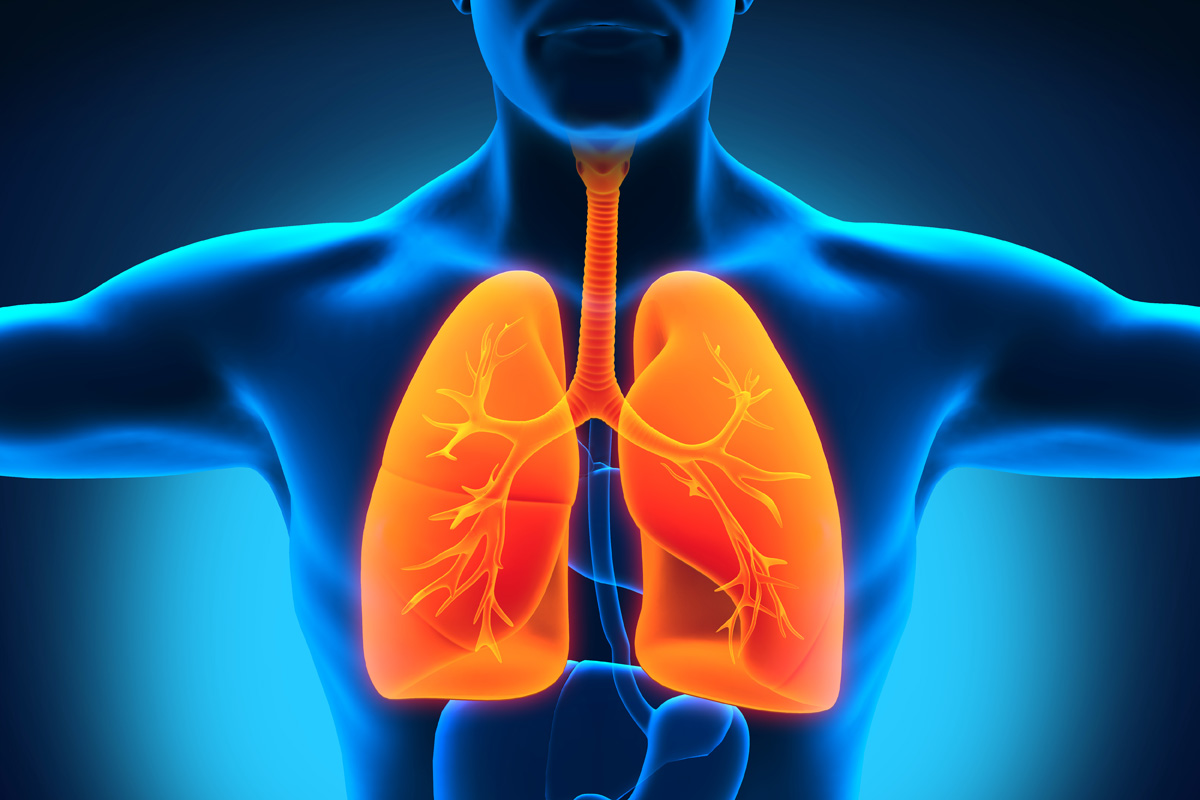
Maintaining healthy lungs is essential for overall well-being and quality of life. However, many people neglect their lung health by continuing harmful habits such as smoking. Environmental toxins and a diet high in inflammatory foods can also negatively impact your lungs.
Lung conditions like asthma and pulmonary fibrosis can significantly reduce your quality of life. Without proper medical care and medication, these diseases can cause severe lung damage.
You can lower your risk of lung problems by adopting a nutrient-rich diet and making healthier lifestyle choices. According to the chest specialist in Islamabad, consuming foods rich in essential nutrients helps protect lung health, reduces lung damage, and supports respiratory function.
The health of your lungs depends largely on the nutrients you get from your diet, including key vitamins and minerals. Regular consumption of healthy foods is crucial to ensure you receive these vital nutrients.
Top Foods for Healthy Lungs
Incorporating the following lung-friendly foods into your diet can improve lung function and help prevent respiratory diseases. These foods also contribute to better overall mental and physical health:
1. Peppers
Peppers, especially bell peppers, are excellent sources of vitamin C, a powerful antioxidant that supports lung health. Smokers often have depleted antioxidant levels due to smoke exposure, making vitamin C even more critical for them. Experts recommend that smokers consume an additional 35 mg of vitamin C daily compared to nonsmokers to counteract oxidative stress and improve lung function.
2. Walnuts
Walnuts are rich in magnesium and omega-3 fatty acids, both essential for healthy lung function. Magnesium helps support respiratory muscles, while omega-3s reduce lung inflammation and improve breathing ease. Studies show that omega-3 fatty acids also assist the body in fighting lung infections, making walnuts a valuable daily addition to protect lung health. Medical professionals often recommend walnuts for smokers or individuals seeking to enhance their lung condition.
3. Apples
Widely known for their health benefits, apples are particularly beneficial for lung health. Research indicates that eating apples can slow the decline in lung function and decrease the risk of chronic obstructive pulmonary disease (COPD). Consuming five apples per week has been linked to improved lung capacity and lowered risks of asthma and lung cancer, thanks to their high antioxidant content, including vitamin C.
4. Blueberries
Blueberries are classified as superfoods because of their numerous health benefits, including lung protection. They contain flavonoids that guard lung tissue as we age and can reduce the severity of COPD symptoms in people with chronic respiratory issues. Ongoing research continues to explore their positive effects on respiratory health.
5. Tomatoes
Tomatoes are among the best sources of lycopene, a potent antioxidant that supports lung health. Consuming tomatoes and tomato-based products can reduce inflammation in people with asthma and improve lung function in those suffering from COPD. Studies suggest that regular tomato consumption lowers asthma prevalence and enhances respiratory wellness.
Final Thoughts
Protecting your lung health is crucial for maintaining comfort and vitality. Incorporating nutrient-rich foods like peppers, walnuts, apples, blueberries, and tomatoes into your diet, alongside healthy lifestyle habits, can significantly improve your lung function and reduce the risk of respiratory diseases. Take proactive steps today for stronger, healthier lungs health.
Frequently Asked Questions (FAQs)
A nutrient-rich diet provides essential antioxidants, vitamins, and minerals that reduce inflammation, protect lung tissues, and help maintain optimal lung function.
Yes, quitting smoking reduces exposure to harmful toxins, allowing your lungs to heal and function better over time.
Key nutrients include vitamin C, magnesium, omega-3 fatty acids, and antioxidants like lycopene and flavonoids that support lung tissue and reduce inflammation.
Antioxidants help neutralize harmful free radicals caused by pollution and smoking, minimizing lung tissue damage.
Absolutely. A diet rich in lung-supportive foods benefits everyone by maintaining lung capacity, reducing the risk of respiratory diseases, and enhancing overall health.
