


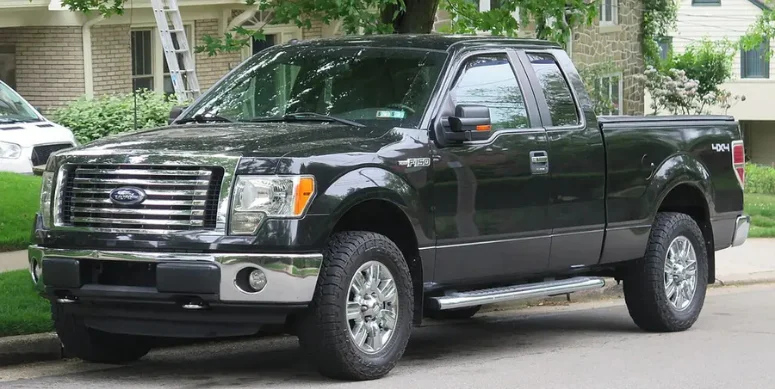
For most US shoppers, the best year for Ford F150 is 2014 when value, simplicity, capability, and availability matter together. The 2020 model is a stronger choice for buyers wanting newer technology and comfort. Older 2008–2010 trucks also deserve consideration because several complaint-based studies rank them highly.
No model year guarantees a trouble-free truck, so condition still matters more than a ranking alone. Service records, engine choice, previous towing use, rust, and recall completion can change the buying decision. Buyers should always inspect the exact truck before discussing price.
Quick answer: The 2014 F-150 is our best all-around used pick because it combines mature engineering, broad availability, and useful engine choices. Choose 2020 if you want newer technology and comfort. Consider 2008–2010 if low complaint rates matter more than modern features.
| Model year | Best for | Main advantage | Main concern |
|---|---|---|---|
| 2014 | Best all-around value | Mature generation and familiar powertrains | Verify transmission recall status |
| 2020 | Newer used-truck shoppers | Modern features and late-generation development | Inspect 10-speed shift quality |
| 2017 | Middle-ground value | Aluminum body with useful modern equipment | Engine and transmission choice matters |
| 2009–2010 | Budget reliability shoppers | Strong complaint-record results | Age, rust, and maintenance history |
| 2021+ | Technology-focused buyers | Newer cabin and available hybrid technology | Higher price and more complexity |
Key Takeaways
- 2014 is our top all-around recommendation for a well-maintained used truck.
- 2020 makes more sense if newer safety, connectivity, and comfort features matter.
- Several federal-complaint analyses favor 2008, 2009, or 2010 for lower reported trouble.
- Certain 2014 trucks have a transmission-related recall that buyers must verify.
- A clean history and independent inspection can matter more than model year.
- Avoid choosing solely by mileage without checking maintenance and prior work use.
- Always check open recalls using the truck’s 17-digit VIN before purchasing.
Why 2014 Is the Best Year for Ford F150 Buyers
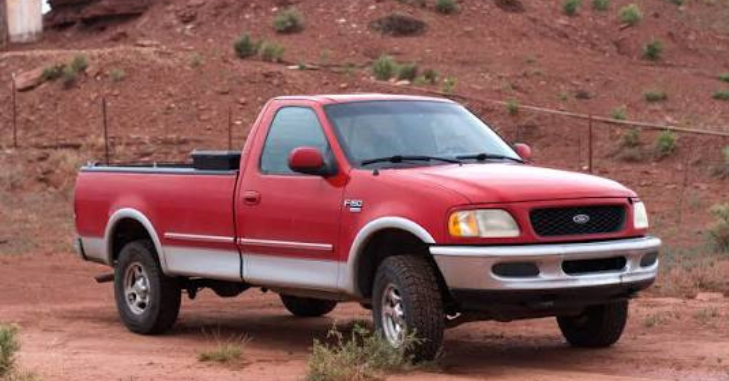
The best year for the Ford F-150 2014 model sits at the end of the twelfth-generation production run. Mature-generation vehicles often appeal because manufacturers have had years to refine components. It also predates Ford’s major aluminum-body redesign for 2015. Best Year for Ford F150 introduced the aluminum-alloy body on the 2015 truck and reported substantial weight reductions.
That change brought important efficiency and capability benefits to later models. Some used buyers still prefer the familiar construction and powertrain combinations offered one year earlier. The 2014 lineup also offered several engine choices, including Ford’s 5.0-liter V8. Used inventory remains broad across XL, XLT, Lariat, and other trims.
That variety helps shoppers compare configurations without being locked into one expensive specification. There is an important warning before buying one. Certain 2014 trucks received a safety recall involving possible unexpected transmission downshifts. Check the specific VIN through the NHTSA recall database before making an offer.
2014 F-150 Pros and Cons
Pros.
- Final model year before the aluminum-body redesign
- Wide selection on the US used market
- Available 5.0-liter V8
- Familiar six-speed automatic configuration
- Strong balance between price and useful capability
Cons.
- Now old enough for rust and age-related repairs
- Recall completion needs careful verification
- Cabin technology feels dated beside newer trucks
- Past work use can hide wear
Why 2020 Is the Best Newer Alternative
The 2020 truck completed the thirteenth generation before Ford launched another redesign. It offers technology and cabin features that feel considerably newer than 2014 models. Several current buyer guides also identify late-generation trucks as attractive used choices. Ford had moved to aluminum body panels beginning with the 2015 model year.
The company said that the redesign reduced vehicle weight substantially while supporting towing and payload improvements. Buyers concerned about body corrosion may also appreciate aluminum exterior panels. The 2020 model still needs a careful test drive. Buyers should check for harsh, delayed, or inconsistent transmission behavior at different speeds.
Maintenance records become especially useful when comparing trucks with similar mileage. Ford also recalled certain 2020 vehicles for intermittent rearview-camera operation. A recall does not automatically make a truck a poor purchase. It does make VIN verification an essential part of the buying process.
2020 F-150 Pros and Cons
Pros.
- Newer cabin technology than 2014
- Late model year within its generation
- Broad engine and trim selection
- Aluminum exterior body panels
- Easier transition for buyers leaving a newer vehicle
Cons.
- Usually costs more than an older truck
- Transmission behavior deserves close inspection
- More electronic equipment can increase repair complexity
- Recall history still needs VIN-level verification
What About 2008, 2009, and 2010?
Several recent analyses of NHTSA complaint information favor trucks from this period. One October 2026 study ranked 2008 through 2010 particularly well using severity-weighted federal records. Another normalized analysis placed 2007 and 2009 among its strongest years. Those results should not be interpreted as proof that every older truck is safer.
Older vehicles face corrosion, seal deterioration, worn suspension components, and years of unknown maintenance. Low reported complaint rates cannot show the present condition of one specific pickup. A 2009 truck with complete records can still be an excellent budget purchase. The same year with frame rust or neglected fluids can become expensive quickly. Age therefore deserves equal weight beside historical reliability data.
Is 2017 Worth Buying?
The 2017 model can suit buyers who want aluminum construction without paying late-generation prices. It sits between the early redesigned years and the newer 2018–2020 trucks. That positioning can create attractive deals in the used market. Engine choice becomes important when comparing these trucks. Maintenance requirements differ between naturally aspirated V8 and turbocharged EcoBoost configurations.
Buyers should compare records instead of assuming every 2017 truck carries identical risks. Test the transmission from a cold start and after the truck reaches operating temperature. Check for hesitation, rough engagement, warning lights, or unusual noises. An independent inspection remains worthwhile before money changes hands.
Ford F-150 Years That Deserve Extra Caution
Different reliability studies identify different problem years because their methods vary. Complaint totals, severity weighting, sales normalization, and vehicle age can produce different rankings. That disagreement is another reason to avoid treating any online list as absolute. Current federal-data analyses commonly raise concerns around years such as 2011, 2013, 2016, and 2018. Some sources also flag other years depending on their scoring method. These years are better treated as “inspect carefully” rather than automatic rejects.
A repaired recall can make one truck safer than an unrepaired example from a preferred year. Documented maintenance can also outweigh a small difference between model-year rankings. Judge the physical vehicle after using year-based rankings for initial screening.
How to Choose the Right Used F-150
Start by deciding what the truck must do every week. Towing, commuting, off-road use, and construction work create different priorities. Buying extra capability you never use can also increase purchase and operating costs.
1. Check the VIN for recalls
Enter the full VIN into the official NHTSA recall lookup before visiting the seller. The database can identify unrepaired safety recalls tied to that vehicle. NHTSA states that VIN searches can show outstanding recall repairs.
2. Demand maintenance records
Oil-change receipts, transmission service records, and repair invoices reveal how the truck was maintained. Consistent documentation can be more reassuring than unusually low mileage. Records also help explain replaced parts or major previous work. Maintenance documentation matters when selling a vehicle too. Magazinted explains how proof of regular maintenance builds buyer confidence. The same principle helps when evaluating a truck you plan to purchase.
3. Inspect for hard use
Look beneath the truck for damaged hitch components, leaks, frame damage, or heavy corrosion. Inspect the bed for signs of repeated commercial loading or poorly repaired damage. A clean interior does not prove the drivetrain had an easy life.
4. Test every transmission condition
Drive the truck when cold if the seller permits it. Repeat acceleration and low-speed shifting once the drivetrain has warmed. Any severe banging, slipping, hesitation, or warning message deserves professional diagnosis.
5. Pay for a pre-purchase inspection
An independent mechanic can identify issues that a short test drive misses. Ask for checks covering brakes, suspension, drivetrain, cooling, steering, electronics, and four-wheel-drive hardware. The inspection cost can be small compared with a major repair.
Reliability Matters, but So Does Ownership Cost
A cheaper truck can become expensive when it needs immediate tires, brakes, suspension work, or major drivetrain repairs. Compare the purchase price with likely first-year maintenance expenses. Leave room in your budget for repairs on any used pickup. Insurance also belongs in the ownership calculation. Coverage decisions become especially important when another driver lacks adequate protection.
Magazinted’s guide explains what to do when an at-fault driver lacks insurance. Shoppers comparing other vehicle topics can browse Magazinted’s Automobile section for more ownership information. Used-car research should extend beyond the initial purchase price. Insurance, repairs, fuel, and maintenance all affect long-term value.
Does a Newer F-150 Automatically Mean a Better Purchase?
Newer trucks bring stronger technology, more sophisticated cabins, and additional powertrain choices. Ford’s current lineup includes turbocharged V6 engines, a V8, and an available PowerBoost hybrid. Those features can matter more than simplicity for some buyers. Newer does not automatically mean lower ownership risk. Ford announced a large 2026 trailer-module recall affecting certain 2021–2026 trucks and other vehicles.
The planned remedy involved a software update. Recent trucks also command higher purchase prices, which changes the value calculation. Buyers should decide whether modern features justify that premium. A proven older truck can remain the smarter choice for basic transportation or work.
Our Verdict
Choose a well-maintained 2014 F-150 for the strongest balance of value, familiar mechanicals, availability, and capability. Check its recall status and have the truck inspected before purchase. Those two steps matter more than blindly trusting its model year. Choose 2020 when newer technology and comfort justify a larger budget. Consider 2008–2010 when your priority is a lower-cost truck with favorable complaint-data results.
In every case, the individual vehicle’s condition should make the final decision. The smartest purchase combines a good model year with verifiable history. Use rankings to create your shortlist, then investigate each truck individually. Walk away when records, inspection results, or seller behavior create serious doubts.
Frequently Asked Questions
What is the best year for Ford F150 reliability?
There is no universally proven winner because reliability datasets use different methods. For all-around used value, our recommendation is 2014 after recall verification. Complaint-focused studies often rank 2008–2010 especially well.
Is the 2014 Ford F-150 a good used truck?
A maintained 2014 model can make a strong used purchase. It combines mature-generation engineering with several familiar engine choices. Buyers should verify the transmission recall status and inspect for age-related wear.
Is a 2020 Ford F-150 better than a 2014?
The 2020 model offers newer technology, styling, safety equipment, and cabin features. The 2014 truck can offer lower purchase costs and simpler ownership. Your budget and expected use should decide between them.
Which F-150 years should I approach carefully?
Current complaint-based studies frequently flag 2011, 2013, 2016, and 2018 for added scrutiny. Different methodologies produce different lists, so those years are not guaranteed failures. Inspect the specific truck and review its VIN history.
How many miles are too many for a used F-150?
Mileage alone cannot identify a good or bad purchase. A higher-mileage truck with complete maintenance can beat a neglected lower-mileage example. Service history, rust, drivetrain behavior, and previous work deserve equal attention.
Should I buy a V8 or EcoBoost F-150?
Choose according to towing needs, maintenance history, fuel priorities, and the specific truck’s condition. Turbocharged engines and V8 engines have different service considerations. A documented, well-maintained engine is usually preferable to an unknown example.
