


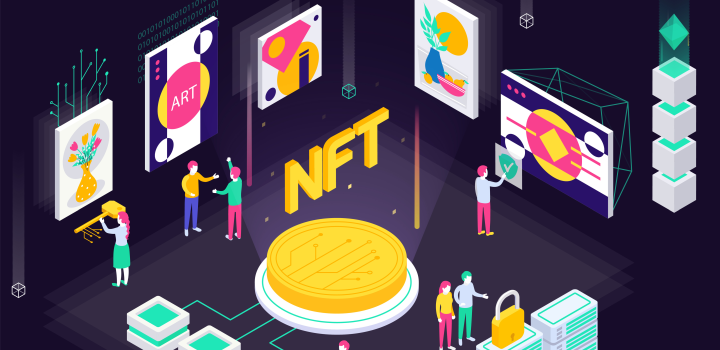
In today’s competitive market, a variety of innovative marketing techniques are developed to help brands enhance their visibility and engagement. Among these, NFTs (Non-Fungible Tokens) have emerged as a powerful tool for brand marketing, even attracting large corporations seeking to innovate their promotional strategies. But how exactly do these NFT-driven marketing techniques work? What advantages do they offer, and which leading brands are leveraging them?
Rest assured! This guide will help you understand everything you need to know about NFTs as one of the most effective marketing tools available today. First, let’s explore what NFTs are before diving into how they can be integrated into brand marketing strategies.
An Overview of NFTs
NFTs are unique digital assets representing real-world objects such as artwork, music, videos, collectibles, and in-game items. These assets are typically bought, sold, and traded using cryptocurrencies on various online platforms. Built on blockchain technology—the same software foundation as cryptocurrencies—NFTs provide secure, verifiable proof of ownership and authenticity of digital creations.
Since their rise in popularity around 2017, NFTs have revolutionized the way digital art and collectibles are bought and sold. Unlike typical digital files that can be endlessly copied, NFTs have distinct identifiers, creating scarcity and uniqueness. This rare digital signature enables buyers to own “original” versions of digital items, making NFTs highly sought after.
But why do people desire ownership of digital assets if copies still exist everywhere? The key is that NFTs offer undeniable proof of ownership and authenticity through blockchain records, establishing a new level of trust and value in the digital world.
With a foundational understanding of NFTs, it’s easy to see why many companies are eager to integrate them into their marketing strategies.
NFTs as a Marketing Technique
For marketers, NFTs open strategic opportunities to engage audiences in innovative ways. By enabling brands to tokenize digital content—such as art, music, videos, and interactive experiences—NFTs offer a fresh channel to build loyal communities and create unique brand interactions.
Additionally, NFTs hold great promise as gateways to the emerging Metaverse, a virtual universe where digital assets and experiences are increasingly valuable. For brands, NFTs function as “tickets” or digital passes that unlock exclusive content, events, or experiences within this new digital ecosystem.
Marketing expert Neil Peter highlights that NFTs help foster stronger connections and exclusive brand experiences, boosting awareness and consumer interest. Beyond consumer products, NFTs are also transforming sectors like real estate and luxury goods by providing secure proof of ownership for physical assets, facilitated by blockchain’s fast verification.
By eliminating risks of loss or forgery, NFTs build customer trust and offer new ways to engage audiences—fundamental elements in successful brand marketing campaigns.
Now that we understand how NFTs interact with brand marketing, let’s look at a concrete example of a notable brand or company utilizing NFT campaigns effectively.
Marketing Techniques Used by SM Entertainment and NFTs
SM Entertainment, a leading South Korean entertainment company, exemplifies how NFTs can enhance brand marketing. SM Brand Marketing, a division of SM Entertainment, partnered with cryptocurrency exchange Binance to explore NFT and Metaverse blockchain technologies.
This collaboration spearheads the “Play to Create” campaign—a cultural initiative inspired by traditional Play-to-Earn models—conceived by producer Lee Soo-man. The campaign leverages the Metaverse platform, allowing users to create and interact with digital content such as games, music, and dance using SM Entertainment’s intellectual properties.
Thanks to SM’s partnership with Binance, a global ecosystem now exists where creators and fans worldwide can freely engage with and enjoy digital content, driving new marketing opportunities and deepening fan engagement.
Based on this promising outlook, NFTs have a bright future in brand marketing. Another example of NFT adoption includes companies like Chameleon, which also integrate NFTs to strengthen brand presence.
The Value of Choosing a Skilled NFT Marketing Agency
Implementing a successful NFT marketing strategy requires expertise and market insight. Many businesses turn to specialized marketing agencies to navigate the NFT space effectively. Choosing an experienced NFT Marketing Company is crucial, as NFT marketing demands in-depth understanding of blockchain technology, digital asset management, and consumer engagement strategies.
Reliable NFT marketing involves building trust with investors and aligning marketing efforts with the company’s mission and values. Agencies lacking experience may struggle to provide adequate exposure or streamline operations, resulting in delayed campaigns and diminished consumer confidence.
Given the increasing number of digital marketing companies, selecting a proficient NFT marketing partner demands careful consideration to achieve maximum impact.
Conclusion
NFTs (Non-Fungible Tokens) have profoundly impacted the digital art and collectibles world by providing unique, verifiable ownership of digital assets. Beyond cryptocurrencies, NFTs open up vast opportunities for brand marketing and consumer engagement across industries including fashion, sports, gaming, and entertainment.
As NFTs continue to evolve, they are transforming loyalty programs and brand recognition strategies by creating unique selling points that resonate with customers. This innovation encourages deeper customer interaction and long-term loyalty.
In summary, NFTs offer brands a compelling way to increase awareness, engagement, and trust with customers, making them an indispensable tool in the modern marketer’s arsenal.
Frequently Asked Questions (FAQs)
An NFT, or Non-Fungible Token, is a unique digital token stored on a blockchain that represents ownership of a specific digital asset like art, music, or collectibles.
NFTs enable brands to create exclusive digital assets that foster customer engagement, boost brand loyalty, provide proof of authenticity, and open access to new digital platforms like the Metaverse.
NFTs are popular in sectors such as entertainment, gaming, fashion, sports, and real estate, where unique digital experiences and ownership are valuable marketing tools.
Companies should look for agencies with blockchain expertise, proven marketing strategies in the NFT space, and the ability to align NFT campaigns with brand goals and consumer trust-building.
No, NFTs have applications beyond digital art including gaming items, music, virtual real estate, event tickets, and even as proof of authenticity for physical goods.
