


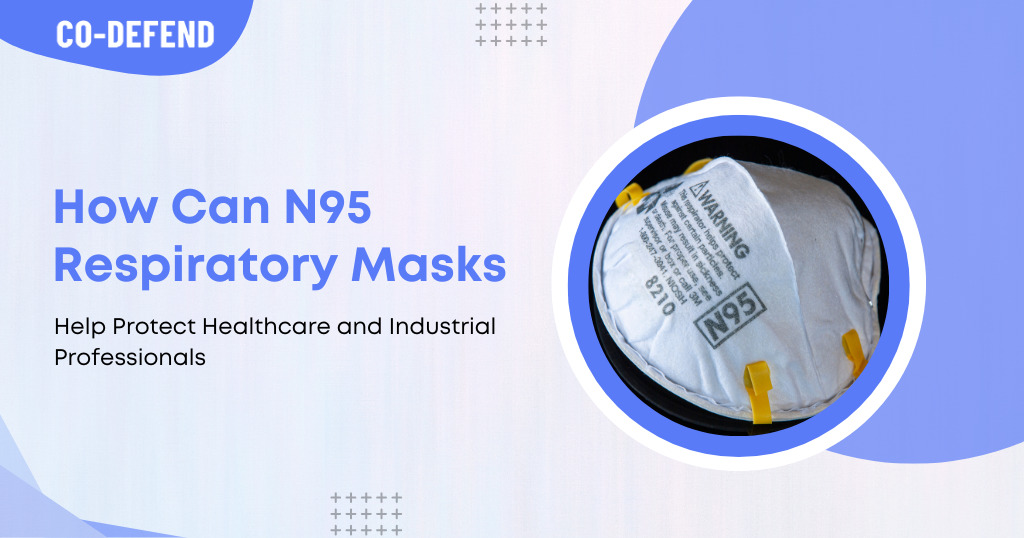
COVID-19 is highly contagious, primarily spreading through respiratory droplets in the air. Anyone can become infected, making it essential to use the best face masks available. Various medical organizations have set regulations for bulk supply of N95 masks to ensure effective community distribution. Additionally, investing in high-quality personal protective equipment (PPE) is crucial for protection, especially in workplaces at higher risk of exposure. Let’s take a closer look at the recommended face masks used in hospitals and industries to guard against infections.
N95 Respirator Masks for Healthcare Professionals
Health healthcare workers require double-layer protection to guard against airborne infections effectively. Employers should provide the best N95 respirator masks that comply with regulatory standards to ensure workplace safety. According to the FDA and OSHA, healthcare professionals must use respiratory masks approved for medical use. Understanding the differences between mask types is crucial before making a purchase. While non-surgical N95 masks provide high filtration efficiency, they do not assess fluid resistance, flammability, or biocompatibility.
Surgical masks, also known as isolation or procedure masks, provide excellent protection against large droplets, blood, and bodily fluids. However, since they lack a tight seal, they offer less protection compared to respirators. For communities and workplaces, ordering a bulk supply of N95 masks ensures better accessibility and protection.
Important N95 Respirator Mask Precautions
To maximize protection and comfort while wearing N95 masks, consider the following precautions:
- Individuals with chronic respiratory conditions may find breathing through N95 masks challenging. It’s important to choose the best respirator mask that fits comfortably and to check the mask fitting before purchase.
- Some N95 mask models include valves to facilitate easier breathing and reduce heat buildup, enhancing user comfort for extended wear.
- FDA-approved N95 masks are generally disposable. If a mask becomes soiled, remove it carefully, place it in a plastic bag, and dispose of it in the trash. Always wash your hands thoroughly after handling used masks. Ordering a bulk supply of N95 masks can help ensure consistent protection for both community members and employees.
- N95 respirators are not recommended for children or individuals with facial hair, as a proper seal cannot be achieved, reducing the effectiveness of the mask.
N95 Respirators in Industries and Workplaces
Many N95 mask manufacturers in the USA produce respirators specifically designed for industrial and construction use, preventing workers’ exposure to harmful foreign particles. The use of these masks is regulated by the CDC and NIOSH. However, certain N95 respirators are specifically designed for healthcare settings to protect healthcare personnel and patients during medical procedures.
Disposable N95 respirators help protect against microorganisms, bodily fluids, and particulate matter. You can also obtain a bulk supply of N95 masks for workplace distribution to enhance safety. In the regulatory context, N95 respirators classified as Class II medical devices are generally exempt from 510(k) premarket notification unless:
- The respirator is intended to prevent specific diseases or infections.
- The respirator is marketed as filtering surgical smoke or plumes.
- The respirator claims to filter or kill specific viruses, bacteria, or fungi affecting allergenicity.
- The respirator incorporates coating technologies unrelated to filtration, such as antimicrobial coatings.
Conclusion: N95 respirator masks are essential for protecting against inhalation of infectious or foreign particles, especially within healthcare and industrial environments. Ensuring proper regulation and correct usage is critical for effective protection. For genuine, high-quality N95 masks that provide reliable protection against COVID-19, contact best face masks Suppliers in the USA. We offer premium face masks designed to keep you safe.
FAQs About N95 Respirator Masks
N95 masks provide a tight seal and filter at least 95% of airborne particles, including viruses and bacteria, while surgical masks primarily protect against large droplets but lack a seal.
N95 masks are typically disposable. Limited reuse may be possible under specific guidelines, but masks should be discarded if damaged, soiled, or difficult to breathe through.
N95 masks are generally not recommended for children because they cannot achieve a proper fit, which reduces protection.
Masks with valves can make breathing easier for the wearer but may not effectively filter exhaled air, thus they are not recommended in environments requiring source control, such as healthcare settings.
Perform a fit test by checking for air leaks around the mask edges and ensuring the mask molds tightly to your face. Adjust straps and nose clips as necessary.
Want to know about‘Influential Medical Leaders‘Check out our ‘Health‘category.
