


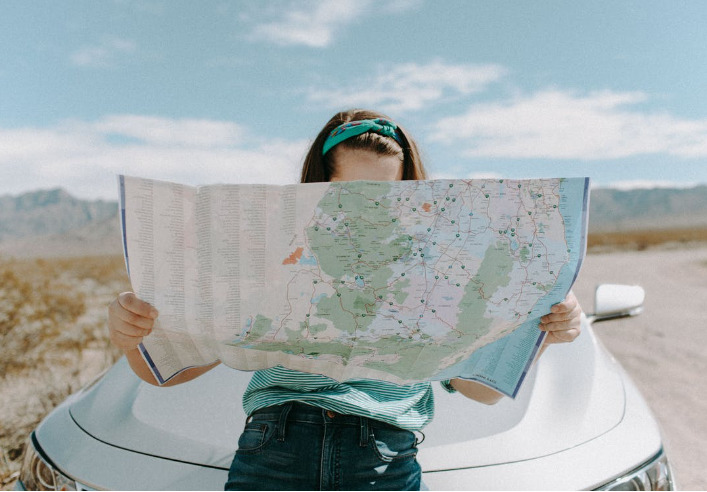
Traveling the world is a bucket list dream for millions of people globally. It offers therapeutic benefits and a unique opportunity to learn, explore, and enjoy diverse landscapes and cultures. If you have traveled before, you understand how addictive the experience can be.
From snowy mountain ranges to dense tropical forests, breathtaking landscapes attract tourists naturally—without the need for extensive advertising. The thrill of reaching a new destination, meeting people from different backgrounds, and tasting unique cuisines is unmatched. However, traveling isn’t always smooth sailing.
It’s crucial to be mentally and physically prepared for potential health challenges before you embark on your journey. Issues ranging from jet lag to dietary changes can complicate your experience if not managed proactively. It’s always better to anticipate travel-related health problems than scramble for solutions while abroad.
If you’re planning an international trip, here are essential tips to help you stay healthy throughout your travels.
Prepare for Jet Lag
Every day, millions of people travel by air. Whether anxious or excited, travelers eagerly anticipate reaching their destinations. Flights under two hours usually feel manageable and less tiring. However, health challenges like back pain management can become significant during longer flights (over two hours), leaving you exhausted before your adventure even begins.
If you suffer from medical conditions such as neck pain or backaches, pack travel-friendly gear like a neck pillow and lumbar support. These items help keep your body comfortable and relaxed during air travel.
For those prone to motion sickness, consider taking a prescribed relaxant before boarding to calm your nerves and possibly catch some sleep during the flight.
Check the Weather Conditions in Advance
Seasons and weather conditions vary widely worldwide. Some destinations experience severe weather, while others enjoy mild climates year-round. Before packing your bags, research the weather forecast for your destination to ensure you bring appropriate clothing and necessary medications.
If you have allergies or respiratory sensitivities, check the Air Quality Index (AQI) of your destination. Carry essential items like natural respiratory health lollipop to protect yourself from potential allergens.
Additionally, pack a few masks and an umbrella to stay prepared for unexpected weather changes such as rain or pollution spikes.
Get Vaccinated Before Traveling
Vaccinations are critical for maintaining your health while abroad. The role of importance of vaccination has become even more important, especially following the global COVID-19 pandemic. Vaccines help prevent various infectious diseases such as Hepatitis A and B, Typhoid, Yellow Fever, Cholera, and Travelers’ Diarrhea.
When visiting unfamiliar regions, it’s impossible to predict which health risks you might encounter. While most trips go smoothly, being vaccinated and prepared in advance is the smartest way to avoid serious health issues while traveling Read more .
Additional Tips for Staying Healthy While Traveling
- Stay Hydrated: Drink plenty of water to stay hydrated, especially when flying or visiting hot climates.
- Practice Good Hygiene: Wash your hands regularly and carry a hand sanitizer to prevent infections.
- Adapt to Local Foods Gradually: Introduce new foods slowly to avoid gastrointestinal discomfort.
- Get Adequate Rest: Ensure you get enough sleep to help your body recover from travel stress.
Frequently Asked Questions (FAQs)
How can I minimize jet lag during long flights?
To reduce jet lag, adjust your sleep schedule to your destination’s time zone a few days before traveling, stay hydrated, avoid alcohol and caffeine during flights, and try to sleep on the plane if it aligns with your destination’s nighttime.
What vaccinations are required before traveling internationally?
Vaccination requirements vary by destination. Common vaccines include Hepatitis A and B, Typhoid, Yellow Fever, and COVID-19. Consult your healthcare provider or a travel clinic well in advance for personalized recommendations.
How can I protect myself from altitude sickness when traveling to high-elevation places?
Acclimate gradually by spending a few days at intermediate elevations, stay hydrated, avoid strenuous activity initially, and consult your doctor about preventive medications.
What should I do if I experience food poisoning while traveling?
Rest, stay hydrated with oral rehydration solutions, avoid solid foods until symptoms improve, and seek medical attention if symptoms persist or worsen.
Are travel insurance and medical coverage important for trips abroad?
Yes, comprehensive travel insurance that covers medical emergencies, evacuations, and trip cancellations is highly recommended to protect yourself financially and health-wise during international travel.
To reduce jet lag, adjust your sleep schedule to your destination’s time zone a few days before traveling, stay hydrated, avoid alcohol and caffeine during flights, and try to sleep on the plane if it aligns with your destination’s nighttime.
Vaccination requirements vary by destination. Common vaccines include Hepatitis A and B, Typhoid, Yellow Fever, and COVID-19. Consult your healthcare provider or a travel clinic well in advance for personalized recommendations.
Acclimate gradually by spending a few days at intermediate elevations, stay hydrated, avoid strenuous activity initially, and consult your doctor about preventive medications.
Rest, stay hydrated with oral rehydration solutions, avoid solid foods until symptoms improve, and seek medical attention if symptoms persist or worsen.
Yes, comprehensive travel insurance that covers medical emergencies, evacuations, and trip cancellations is highly recommended to protect yourself financially and health-wise during international travel.
Want to know about‘Healthy‘Check out our ‘Education‘category.
