


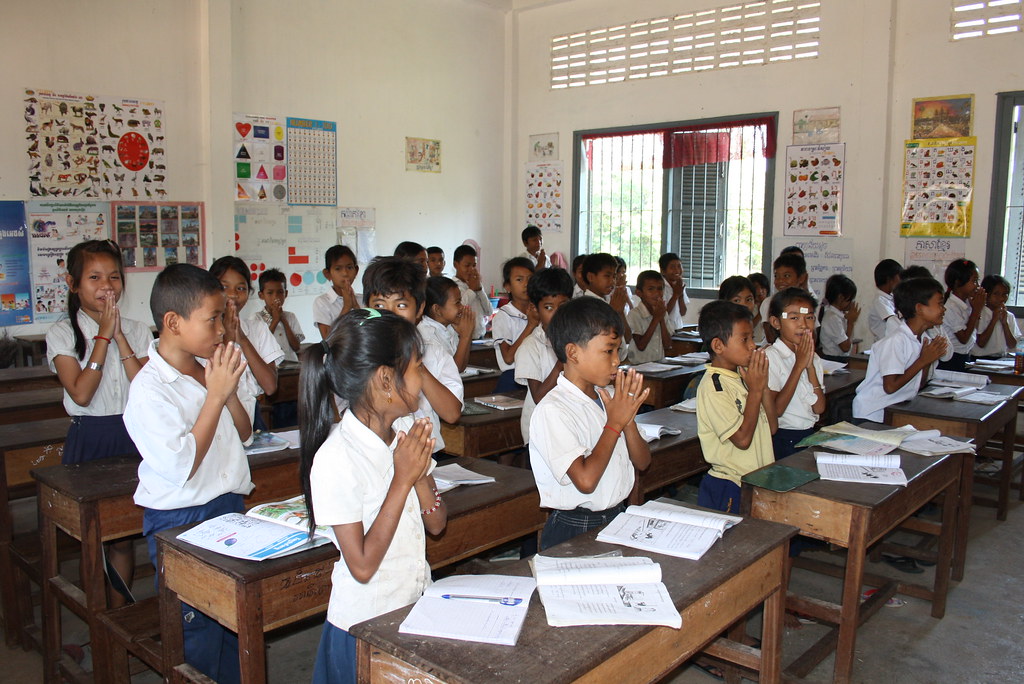
Most children experience five to seven infections annually, leading to missed school days, parental work absences, numerous doctor visits, and plenty of tissues and cold medicines. As a parent, you can help reduce your child’s sick days by implementing these effective strategies to minimize germ exposure and boost their immune system.
Top 10 Tips to Keep Your Child Healthy and Germ-Free
1. Ensure Adequate Rest. Establish and maintain a consistent sleep schedule for your child. Children in kindergarten through 6th grade need between 9 to 11 hours of quality sleep each night. Proper sleep supports healthy behavior, balanced eating habits, and enhances the ability to fight off infections. Lack of sleep can increase cravings for unhealthy food, cause mood swings, irritability, and a higher susceptibility to illnesses.
2. Encourage Daily Physical Activity. Aim for at least one hour of exercise every day. Regular physical activity helps improve sleep quality, reduces the risk of infections, supports overall wellness, enhances mood, increases stress management capabilities, and boosts academic performance.
3. Limit Screen Time. Restrict recreational screen time (phones, TV, tablets, computers, and gaming devices) to less than two hours per day. Excessive exposure to blue light emitted from screens can reduce melatonin production, disrupting sleep patterns and interfering with the body’s natural circadian rhythm.
4. Promote Healthy Eating Habits. A nutritious diet supports your child’s immune system and general well-being. Start the day with a balanced breakfast that includes protein, dairy, and whole grains to improve focus and behavior. Serve healthy lunches featuring lean meats, whole grains, and fresh fruits and vegetables your child enjoys. Offer nutritious snacks after school to reduce cravings for unhealthy foods. Sharing meals with family encourages better dietary choices and emotional bonding.
5. Stay Up-to-Date on Flu Shots and Vaccinations. Seasonal flu vaccines and other recommended immunizations protect your child against contagious diseases, especially during fall and winter. Keeping a electronic health record helps you track vaccination schedules and maintain your child’s health records efficiently.
6. Encourage Frequent Handwashing. Teach your child to wash hands thoroughly with soap and water for at least 20 seconds—singing the “Happy Birthday” song twice is a helpful timer. Provide hand sanitizer for times when handwashing isn’t possible. Advise your child to avoid touching their face and to cough or sneeze into their elbow to reduce the spread of germs.
7. Schedule Regular Hearing and Vision Screenings. Include hearing and vision tests in your child’s annual health check-ups. Early detection of sensory impairments can prevent behavioral issues and learning difficulties, supporting better academic and social development.
8. Support Your Child in Managing Stress and Anxiety. School pressures, sports, and social media can cause considerable stress. Monitor your child’s social media use carefully and maintain open communication to identify bullying or other stressors early. Assist your child in developing coping strategies to handle anxiety and challenges effectively.
9. Promote Proper Backpack Safety. A heavy, poorly fitted backpack can lead to neck, shoulder, and back pain. Provide your child with a high-quality backpack featuring two padded straps and adequate cushioning. The total backpack weight should not exceed 10% of your child’s body weight to prevent strain. Refer to backpacks for more backpack safety guidance.
10. Keep Your Child Well-Hydrated. Proper hydration supports energy levels, mood stabilization, digestion, weight management, and cognitive function. Encourage your child to drink water and milk regularly. Limit sugary drinks such as sodas, sports drinks, energy beverages, juices, and caffeinated drinks, as these can contribute to weight gain, increased heart rate, high blood pressure, sleep disturbances, anxiety, and irritability. While caffeine may provide a temporary energy boost, it often leads to energy crashes and unhealthy habits. For a closer look at this, see 5 Gas Safety Tips To Keep You Safe At Home.
Maintaining a student health management system is an excellent way to keep organized records of your child’s health activities and progress.
Frequently Asked Questions (FAQs)
Establish a consistent bedtime routine, limit screen time before bed, and create a quiet, dark, and comfortable sleeping environment.
Encourage outdoor play, family walks, bike rides, or participation in sports or dance classes suited to their interests.
Excess sugar and caffeine can negatively affect children’s sleep, mood, weight, and overall health, leading to long-term issues if consumed regularly.
Ensure they are following good hygiene practices, getting enough sleep, eating a balanced diet, staying active, and keeping up with recommended vaccinations. Consult your pediatrician if infections are recurrent or severe.
Maintain open communication, set healthy limits on social media use, encourage relaxation techniques like deep breathing or mindfulness, and seek professional support if needed.
