


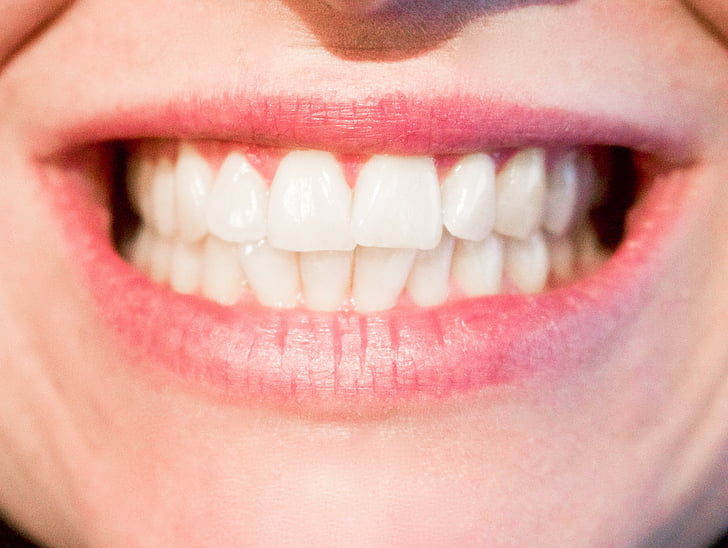
Professional Teeth whitening treatments can significantly enhance your smile, but what you eat before and after the procedure can impact both the effectiveness and longevity of the results.
Before Teeth Whitening: Preparing Your Teeth
- **Avoid Highly Acidic Foods**: Acids can weaken enamel, making it more sensitive during the whitening process. Reduce consumption of citrus fruits, tomatoes, and vinegar-based foods.
- **Limit Staining Foods and Drinks**: To maximise the whitening effect, try to minimise intake of coffee, tea, red wine, and berries in the days leading up to your treatment.
- **Consume Calcium-Rich Foods**: Strengthen your enamel by eating dairy products, leafy greens, almonds, and fortified foods. A robust enamel foundation helps achieve better whitening results.
- **Hydrate Well**: Drink plenty of water to maintain optimal saliva production, which is essential for oral health.
Immediately After Teeth Whitening: Protecting Your New Smile
The first 48 hours after whitening are crucial, as your teeth are more porous and susceptible to stains.
- **White Diet**: Stick to foods and beverages that are white or light in colour. Examples include:
- **Dairy**: Milk, plain yoghurt, and cheese.
- **Poultry and Fish**: Skinless chicken, turkey, and white fish.
- **Starches**: White rice, pasta, and potatoes.
- **Vegetables**: Cauliflower, celery, and peeled apples.
- **Avoid Staining Foods and Drinks**: Steer clear of coffee, tea, red wine, dark sodas, berries, and tomato-based sauces. These can easily stain newly whitened teeth.
- **No Acidic Foods**: Avoid citrus fruits, pickles, and vinegar-based dressings, as acids can increase sensitivity and affect the enamel.
- **Hydrate with Water**: Drink plenty of water to help wash away potential staining agents and keep your mouth hydrated.
Taking the Opportunity to Remineralise
To take the time to remineralise teeth to strengthen enamel and reduce sensitivity is a wise move after teeth whitening and can achieve a restoritive process for the tooth enamel and oral health.
- **Calcium-Rich Foods**: Continue to consume dairy products like milk, cheese, and yoghurt, along with leafy greens such as spinach and kale.
- **Vitamin D-Rich Foods**: Incorporate fatty fish like salmon and mackerel, egg yolks, and fortified foods to aid calcium absorption.
- **Phosphorus-Rich Foods**: Include meat, poultry, fish, eggs, nuts, and legumes in your diet to support enamel remineralisation.
- **Fluoride Sources**: Use fluoride toothpaste and mouthwash, and drink fluoridated water to strengthen your teeth.
- **Chewing Sugar-Free Gum**: Stimulate saliva production, which helps neutralise acids and provides minerals for remineralisation.
Long-Term Maintenance: Prolonging the Whitening Effect
- **Maintain a Balanced Diet**: Continue consuming calcium-rich foods such as dairy products, leafy greens, and fortified foods to keep your enamel strong.
- **Incorporate Antioxidants**: Foods like berries, green tea, and leafy greens can help maintain gum health and reduce bacteria that cause plaque.
- **Limit Stain-Inducing Foods and Drinks**: Be mindful of consuming coffee, tea, red wine, and dark berries. Use a straw for beverages that can stain your teeth, and rinse your mouth with water afterwards.
- **Stimulate Saliva Production**: Foods that encourage saliva flow, such as apples, carrots, and celery, help neutralise acids and wash away food particles.
- **Use Fluoride Products**: Incorporate fluoride toothpaste and mouthwash into your routine to strengthen enamel and protect against decay.
- **Regular Dental Check-ups**: Visit your dentist regularly for cleanings and touch-ups to maintain your bright smile.
Additional Tips for Optimal Results
- **Chewing Sugar-Free Gum**: Helps stimulate saliva production, which can neutralise acids and support remineralisation.
- **Avoid Smoking**: Tobacco can cause significant staining and undo the effects of whitening treatments.
- **Moderate Consumption of Sugary Foods**: Sugars can promote decay and discolouration. Opt for healthier snacks like nuts, cheese, or raw vegetables.
Your dietary choices before, during, and after professional teeth whitening treatments play a crucial role in achieving and maintaining a bright, white smile. By following these guidelines, you can ensure that your teeth remain healthy and dazzling long after your treatment. Remember, a balanced diet rich in essential nutrients and mindful of potential staining agents is key to prolonging the effects of your teeth whitening and supporting overall oral health.
For more detailed information and personalised advice, consult your dentist, who can provide tailored recommendations based on your specific needs and oral health status.
Apart from this, if you are interested to know more about Find Out How Many Teeth then visit our HEALTH category.
