


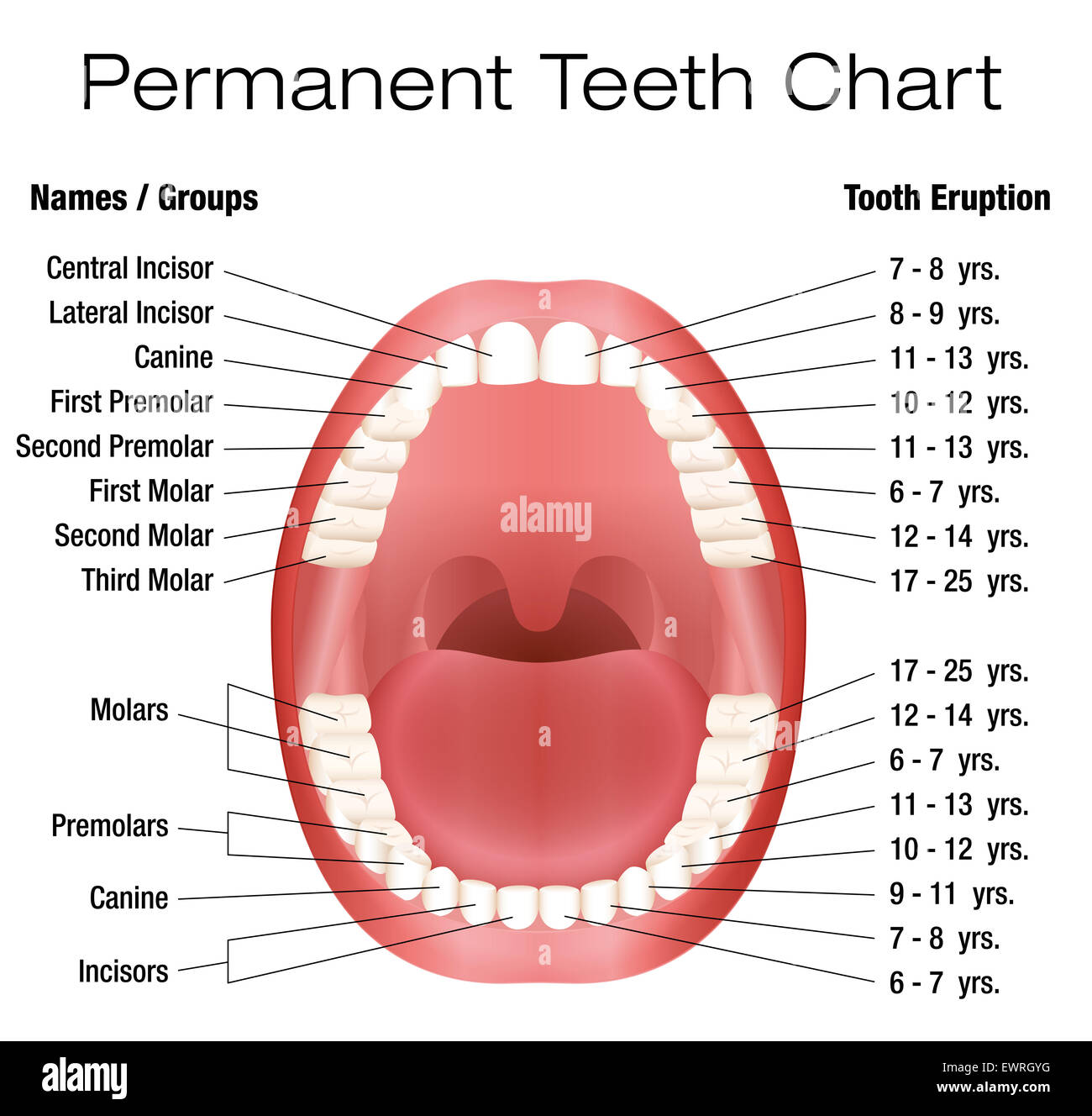
You may not have heard this before, but there truly is a perfect number of teeth for optimal oral health! This number depends on the unique details of your bite and can be easily determined by considering factors like your arch length, how many teeth you currently have, and how many you had during childhood. Use the handy chart below to help identify if you’re missing any teeth teeth number chart or if your bite could be improved for better dental health.
Where Are All My Missing Teeth?
Are you wondering why some teeth seem to be missing? Having too many or too few teeth can cause significant health issues beyond just dental problems. The chart below provides a detailed overview of the expected number of teeth at different ages. If you notice any tooth loss, it’s important to consult a qualified dental professional best orthodontist near me as soon as possible to prevent further complications.
Exactly How Many Teeth Should Be in Your Mouth?
While people may have varying numbers of teeth, most share the goal of maintaining a healthy, attractive smile. To determine your ideal tooth count, use the chart provided. It factors in whether you have an overbite and the number of teeth necessary for effective chewing. Keep in mind this is a guideline—if your number differs, don’t worry! You can always seek advice from your trusted dental specialist orthodontist near you.
Tooth Loss Isn’t Always About Old Age
Though tooth loss often accompanies aging, other causes like gum disease can lead to missing teeth at any age. If you’ve noticed gaps or loose teeth, consider visiting the best orthodontist near you dental health. They can create a personalized treatment plan to preserve your smile and oral function, maintaining your dental health at its best.
Some Missing Teeth May Increase the Risk of Heart Disease
Teeth play a vital role not only in chewing and speaking but also in overall health. Research has linked missing teeth to a higher risk of heart disease due to potential inflammation and infection caused by poor oral health. Maintaining a full set of healthy teeth contributes to better cardiovascular health and overall well-being.
Fillings Don’t Mean You’re Missing Teeth
The ideal number of teeth for most adults is 32, according to the American Dental Association. This includes wisdom teeth, which many people keep unless otherwise advised. The ADA’s chart categorizes the expected number of teeth by both age groups and gender, helping you understand what is typical for your demographic. Remember, having fillings simply means you had cavities, not that you’re missing teeth.
How Dentists Detect Missing Teeth with X-Rays
The average human mouth contains 32 teeth, but some individuals may be born with more or fewer due to genetic variations. Dentists use X-rays to assess your teeth, identify missing or extra teeth, and recommend appropriate treatments such as bridges or dental implants. In some cases, removal of extra teeth may be advised to improve aesthetics and oral health.
Below is a general age-based chart outlining the typical number of teeth expected throughout different life stages:
- 0-6 months: No teeth (teeth usually begin erupting after 6 months)
- 6-12 months: Up to 16 baby teeth erupt
- 13-18 years: Full set of 28-32 adult teeth, including 12 molars (with possible variation in wisdom teeth presence)
Which Celebrity Has the Perfect Smile?
Did you know the “perfect” smile often aligns with having eight teeth in each dental arch for a total of 32? A University at Buffalo study revealed that top smiles feature upper front teeth that align neatly with the lower teeth, creating an aesthetically pleasing balance.
For example, Miley Cyrus has a unique smile characterized by an asymmetrical arrangement. She has four prominent upper front teeth and an uneven lower row, attributable to orthodontic treatments she underwent from age 11 to 18. This demonstrates how orthodontic history can influence the appearance of your smile.
Frequently Asked Questions (FAQs)
Most adults have 32 teeth, including wisdom teeth. However, some people naturally have fewer or may have had teeth removed due to orthodontic treatment or dental issues.
Some tooth loss can occur with age, but it’s not inevitable. Maintaining good oral hygiene and regular dental visits can prevent premature tooth loss caused by gum disease or decay.
Yes. Missing teeth can lead to problems like difficulty chewing, misalignment, and increased risk of heart disease due to oral infections and inflammation.
Common options include dental implants, bridges, and dentures. Your dentist or orthodontist can help determine the best solution tailored to your needs.
Wisdom teeth are not essential for a healthy smile and are often removed if they cause crowding, pain, or other issues.
For personalized advice and treatment options, always consult your dental professional orthodontist or dental health.
