


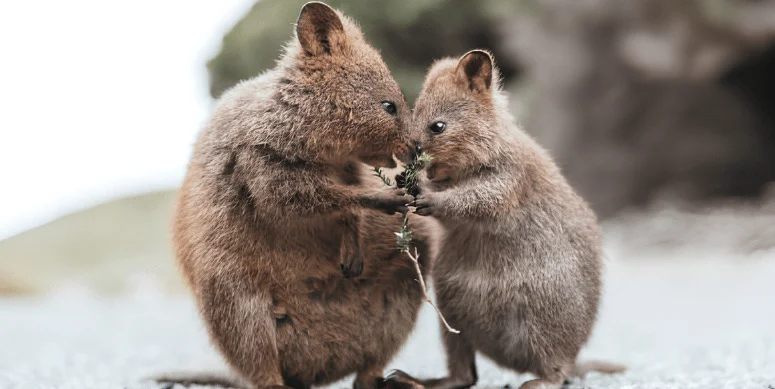
Searching for a pookoo animal can lead to two surprisingly different answers. One refers to a real African antelope, usually spelled “puku.” The other is a fictional species from Netflix’s 2026 animated movie Swapped.
Quick answer: “Pookoo” can refer to an older spelling of the real puku antelope, Kobus vardonii. The word also names a fictional woodland species in Netflix’s Swapped. Ollie, voiced by Michael B. Jordan, belongs to that imaginary species and resembles several small mammals rather than one exact real animal.
Pookoo at a Glance
| Question | Answer |
|---|---|
| Is there a real animal called a pookoo? | Yes. “Pookoo” is an older or alternate spelling of puku. |
| Scientific name of the real animal | Kobus vardonii |
| Type of real animal | African antelope |
| Main habitat | Grasslands, floodplains, and areas near water |
| Is the swapped Pookoo real? | No. It is a fictional species. |
| Famous fictional Pookoo | Ollie |
| Movie | Swapped |
| Voice of Ollie | Michael B. Jordan |
| Netflix release | May 1, 2026 |
| Fictional animal inspiration | Otter-like, rodent-like, mole-like, and other small-mammal traits |
What Is a Pookoo Animal?
The term “pookoo animal” has a real zoological meaning with historical roots. Dictionaries and older wildlife writing used “pookoo” for the animal now generally called the puku. Modern taxonomic sources identify the species as Kobus vardonii.
The puku belongs to the Bovidae family, which includes many antelopes, cattle, sheep, and goats. It is a medium-sized African antelope with a golden or sandy-brown coat. Adult males carry distinctive curved horns, while females do not.
The confusion became greater after the arrival of Swapped on Netflix in 2026. That film uses Pookoo as the name of an invented woodland species. As a result, Americans searching the term may be looking for wildlife information or movie information.
The Real Pookoo Is the Puku Antelope.
The real puku is native to parts of sub-Saharan Africa. Scientific databases record the species across countries, including Zambia, Tanzania, Angola, Botswana, Malawi, Namibia, and the Democratic Republic of the Congo. Its distribution is closely connected with suitable grassland and wetland habitats.
Pukus favor grassy areas near rivers, floodplains, and other reliable water sources. Seasonal flooding can influence where herds feed and move. During drier periods, animals commonly remain closer to available water.
The American Society of Mammalogists’ Mammal Diversity Database lists the species as Kobus vardonii. It also records the puku as a living wild species. The database currently identifies its IUCN Red List category as Near Threatened.
What Does a Real Puku Look Like?
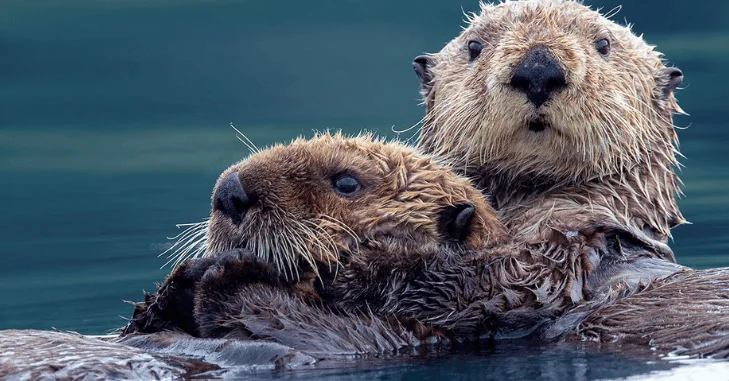
A puku has the familiar shape of a medium-sized African antelope. Its coat generally appears golden-yellow, reddish-brown, or sandy-brown. The lower body is usually paler than the back and sides.
Males are easy to distinguish because they develop ridged, lyre-shaped horns. Females lack horns, creating a clear physical difference between the sexes. The species can resemble other water-associated antelopes at first glance.
Its body is sturdy rather than extremely slender. That shape separates it somewhat from lighter-looking antelopes such as impalas. Habitat also provides an important identification clue because pukus strongly favor grasslands near water.
Where Do Pukus Live?
Pukus are African animals and do not occur naturally in the United States. Their native range lies mainly in central and southern parts of Africa. Zambia and Tanzania contain especially important populations.
Suitable habitat usually combines grass for grazing with nearby water. Floodplains and riverine grasslands provide both food and moisture. Seasonal changes can push groups between lower and higher areas.
This habitat preference explains the animal’s close association with rivers and wetlands. It also makes habitat changes important for long-term conservation. Development, land conversion, and pressure on wet grasslands can affect suitable living areas.
What Do Pukus Eat?
Pukus are herbivores and primarily graze on grasses. Wet grasslands can provide productive feeding areas during suitable seasons. Their diet therefore connects them closely with healthy floodplain ecosystems.
They do not hunt other animals or eat meat as a normal food source. Their teeth and digestive system are adapted for plant material. Like other grazing bovids, they spend considerable time feeding and processing vegetation.
Access to productive grass can change with rainfall and flooding. Herds may adjust their movements as conditions change. This behavior helps them follow useful feeding areas while remaining near water.
Is the Pookoo in Netflix’s Swapped a Real Animal?
The Pookoo from Swapped is not a real biological species. It exists inside the movie’s fantasy ecosystem alongside creatures called Javans, Boogles, Dzos, and Firewolves. The movie deliberately mixes familiar animal features with invented biology.
Ollie is the best-known member of this fictional species. Michael B. Jordan voices the character, while Cedric the Entertainer voices his father, Caloo. The story follows Ollie after an unexpected transformation connects his fate with Ivy, a Javan.
The movie premiered on Netflix on May 1, 2026. Before release, the production itself had previously carried the title Pookoo. It was later renamed Swapped before reaching audiences.
What Real Animal Does Ollie Resemble?
Ollie does not correspond to one exact living species. Coverage of the movie commonly describes him as a small woodland or rodent-like creature. His appearance also encourages comparisons with otters, moles, squirrels, and other compact mammals.
His swimming ability can remind viewers of an otter. His burrowing behavior and body shape can create mole or groundhog comparisons. His climbing and quick movement add traits associated with other small mammals.
That mixed design is intentional within the movie’s fantasy setting. Swapped feature: creatures combining recognizable natural features in imaginative ways. Calling Ollie simply an otter would therefore miss important parts of his design.
Real Puku vs. Fictional Pookoo
| Feature | Real puku | Swapped Pookoo |
|---|---|---|
| Real species? | Yes. | No |
| Scientific name | Kobus vardonii | None |
| Animal type | Antelope | Fictional woodland creature |
| Location | Africa | Fictional Valley |
| Appearance | Golden-brown antelope | Small furry mammal-like creature |
| Horns | Adult males have horns. | No comparable antelope horns |
| Diet | Mainly grasses | Fictional foods shown in the story |
| Connection to Ollie | None | Ollie is one. |
| Main identification clue | Wetland-associated antelope | Character species in swapped |
The easiest distinction is context. Wildlife articles usually mean the real puku antelope when they use the older spelling. Movie searches generally refer to Ollie and his fictional species.
This distinction also explains why image results may look completely unrelated. A wildlife image can show a horned African antelope. A movie image can show a furry animated character with small-mammal features.
Why Are “Pookoo” and “Puku” Both Used?
“Puku” is the standard modern English common name for Kobus vardonii. Older dictionaries and historical wildlife books also used the spelling “pookoo.” That older spelling remains searchable today.
Modern scientific databases favor “puku” as the common name. The scientific name gives an even clearer identification because spelling differences disappear. Searching Kobus vardonii will lead directly to the real antelope.
The film use is unrelated to zoological naming in practical search terms. Netflix audiences now encounter the same-sounding word through entertainment. This creates an unusual overlap between natural history and animated fiction.
Is the Real Puku Endangered?
The Mammal Diversity Database currently shows the puku as Near Threatened under the IUCN Red List system. Near Threatened does not mean the species is extinct or immediately facing extinction. It signals that conservation concerns deserve attention.
Research has documented serious declines in some individual populations. A study in Zambia’s Kasanka National Park reported an alarming local decline between survey periods. Such findings show why regional trends matter alongside a species-wide category.
Wetland and floodplain protection can support pukus and many other species. Healthy grasslands also provide habitat for predators, birds, insects, and other grazers. Protecting these areas therefore has benefits beyond one antelope.
Why U.S. Searchers Are Seeing Two Different Answers
American searchers often encounter the fictional interpretation because Swapped reached Netflix audiences in 2026. Entertainment coverage frequently asks what kind of animal Ollie is. Those stories naturally use the Pookoo name from the film.
Wildlife resources produce a completely different result. They connect the term to the puku antelope and its historical spelling. Both results can therefore be reasonable, depending on the searcher’s intended context.
Checking the surrounding words usually solves the problem quickly. Terms such as “Ollie,” “Netflix,” or “Swapped” point toward the fictional creature. Terms such as “Africa,” “antelope,” or Kobus vardonii indicate the real species.
More Animal Guides From Magazine
Readers interested in real animal anatomy can explore Magazinted’s detailed Cat Paw Anatomy guide. It explains paw pads, claws, toe structure, and common care concerns. The guide is written for everyday pet owners seeking practical information.
Dog owners can also read the site’s Rottweiler Pitbull Mix guide. It covers size, temperament, training, exercise, and U.S. ownership considerations. The article also explains why individual dogs can differ significantly.
Magazinted’s Pets section collects additional animal- and pet-related topics. It provides a useful starting point for readers who enjoy learning about animal behavior and care. New guides can be browsed alongside existing pet resources.
Frequently Asked Questions
What is a pookoo animal?
A pookoo animal usually means the real puku antelope when used in zoology. The older spelling appears in dictionaries and historical wildlife writing. In current entertainment searches, Pookoo can instead mean the fictional species from Swapped.
Is a Pookoo a real animal?
There is a real animal historically called a pookoo, now usually spelled puku. It is an African antelope scientifically named Kobus vardonii. The creature portrayed in Swapped is fictional.
What kind of animal is Ollie in Swapped?
Ollie is a fictional Pookoo within the movie’s story. He is a small furry woodland creature with several recognizable mammal-like traits. He should not be classified as one exact real-world species.
Is Ollie an otter?
Ollie has features and behaviors that can remind viewers of an otter. His design also suggests rodents, moles, squirrels, and other small mammals. The movie identifies his species as a pookoo rather than an otter.
Is a puku a deer?
No, a puku is not a deer. It belongs to the Bovidae family and is classified as an antelope. Deer belong to a different mammal family called Cervidae.
Where can real pukus be found?
Wild pukus live in parts of sub-Saharan Africa. Their distribution includes countries such as Zambia and Tanzania. They favor grasslands, floodplains, and areas close to water.
Do female pukus have horns?
Female pukus do not normally have horns. Adult males develop the species’ recognizable ridged and curved horns. This difference helps distinguish males and females in the field.
The Bottom Line
“Pookoo” has two meanings worth separating. The real-world term refers to the puku, Kobus vardonii, a golden-brown African antelope associated with wet grasslands. The newer entertainment use describes the fictional species inhabited by Ollie in Netflix’s Swapped.
For U.S. readers, context provides the fastest answer. A wildlife reference probably means the antelope, while a Netflix reference means the animated creature. Knowing both meanings prevents the conflicting search results from becoming confusing.
