



If you’re searching for unemployment California information, the key program is California Unemployment Insurance, managed by the Employment Development Department. Eligible workers can receive temporary income after losing a job or having their hours reduced through no fault of their own. Weekly payments currently range from $40 to $450.
California’s latest available statewide jobless rate was 5.2% in June 2026. That figure describes the broader labor market, but it doesn’t determine whether an individual worker qualifies for unemployment benefits.
| Key fact: unemployment California | What to know in 2026 |
| Agency | California Employment Development Department (EDD) |
| Weekly benefit | $40 to $450 |
| First payment | Applications generally take about three weeks to process |
| Waiting period | One unpaid qualifying week |
| Certification | Required every two weeks |
| Benefit year | 12 months from the claim start date |
| Latest state jobless rate | 5.2% in June 2026 |
| Fastest application method | Online through myEDD |
Direct answer: California UI provides temporary payments to eligible workers who lose their jobs or have their hours reduced. You must meet earnings and availability requirements, apply through EDD, serve a one-week unpaid waiting period, and continue certifying for benefits. Weekly payments range from $40 to $450 and are based mainly on prior wages.
How Unemployment California Benefits Work in 2026
California’s UI program replaces part of a qualifying worker’s lost income. It isn’t designed to replace a former paycheck in full. To qualify when you apply, you generally need sufficient wages during EDD’s base period. You must also be fully or partially unemployed. In most cases, you must be unemployed through no fault of your own.
You must be physically able and available to work. Most claimants also need to look for suitable work and remain ready to accept employment. These requirements continue after EDD approves the claim. For broader workplace and employer topics, Magazinted’s Business section provides related coverage.
How Much Can You Receive Each Week?
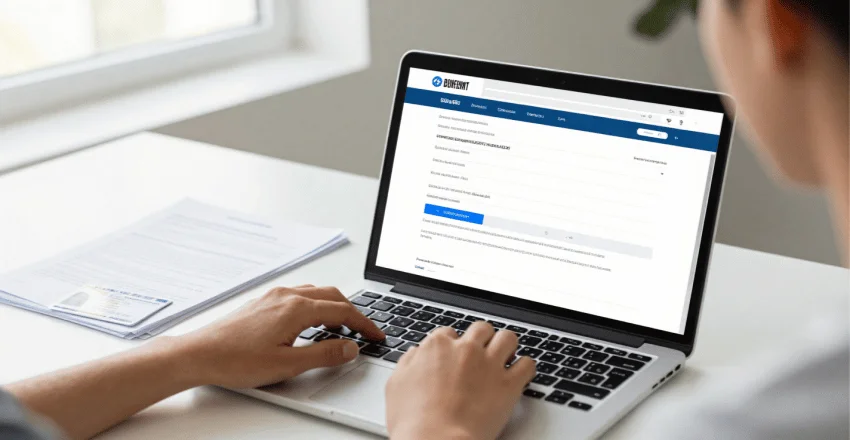
EDD currently sets weekly UI payments between $40 and $450. Your previous earnings help determine where your payment falls within that range. EDD also provides a benefit calculator that can help you estimate your potential weekly payment.
Working part-time doesn’t always end a claim. You still need to report your work and wages when certifying, even if your employer hasn’t paid you yet. Depending on your earnings, EDD may reduce your payment or determine that no benefit is payable for that week.
If a job loss has affected your household budget, Magazinted’s Finance section offers additional personal and business finance coverage.
How to Apply for California UI Benefits
The fastest way to apply is through myEDD. After signing in, you can access UI Online and submit a claim. Applications can also be made by phone, fax, or mail. Before starting, gather information about your employment during the previous 18 months.
EDD may ask for employer names, addresses, dates of employment, gross wages, hours worked, and information about how you were paid.
A practical filing process is
Gather your identification and employment records.
Create or sign in to your myEDD account.
Submit your UI application through UI Online.
Read every notice EDD sends after you file.
Complete any CalJOBS registration requirements listed in your notice.
Certify for eligible weeks as instructed by EDD.
EDD states that it typically takes about three weeks to process an application and issue a first payment. Eligibility questions, missing information, or additional reviews can extend the process.
The Waiting Week, Certification, and Benefit Year

An approved claim doesn’t normally result in payment from day one. California requires a one-week unpaid waiting period. You still need to certify and meet the eligibility requirements during that week. Afterward, claimants generally certify every two weeks. UI Online is the fastest certification method, although EDD also allows certification by phone or mail.
For unemployment California claims, don’t confuse the benefit year with the number of weeks for which benefits may be paid. A benefit year lasts 12 months from the claim’s start date. Regular benefits may provide up to 26 weeks of payments, depending on the claim’s maximum benefit amount and the claimant’s continued eligibility.
Can You Qualify If You Quit or Were Fired?
Quitting a job doesn’t automatically prevent you from receiving UI benefits. EDD may require a claimant who quits to show a qualifying reason for leaving. The agency may ask questions, send a questionnaire, or schedule a phone interview before making an eligibility decision.
Being fired also doesn’t automatically disqualify you. EDD reviews the reason the employment ended. If misconduct is cited as the reason for disqualification, the circumstances surrounding the termination are considered during the eligibility review.
If a benefits dispute raises broader legal questions, Magazinted’s Law section provides additional legal information coverage.
What Is California’s Current Jobless Rate?
California’s seasonally adjusted unemployment rate was 5.2% in June 2026, down from 5.3% in May. The June figure was the latest monthly data available as of August 18, 2026. The statewide unemployment rate and an individual UI claim answer different questions.
The rate measures the share of people in the labor force who are unemployed and actively seeking work. Your benefit eligibility depends on factors such as your wages, employment status, reason for separation, and continued eligibility.
Are California UI Payments Taxable?

UI payments generally count as income for federal income tax purposes. EDD issues Form 1099G showing the unemployment compensation paid during the calendar year. California treats these payments differently for state income tax purposes. Unemployment compensation reported on Form 1099G generally isn’t treated as taxable income on a California state income tax return.
Keep your tax form and payment records. For advice related to your individual tax situation, consult a qualified tax professional.
Your Next Step
If your employment ended or your hours were reduced, start by reviewing the official eligibility requirements and preparing the information needed for your application. Gather your records before filing, respond promptly to any EDD requests, and keep copies of every notice you receive.
This guide provides general information and isn’t legal, tax, or individualized benefits advice. EDD makes the final decision regarding eligibility and payment amounts.
Frequently Asked Questions
Eligible claimants can receive $40 to $450 per week. The amount depends largely on wages earned before the claim. EDD’s benefit calculator can help provide an estimate.
A regular claim has a 12-month benefit year. Regular UI may provide up to 26 weeks of payments, depending on your claim balance and continued eligibility.
EDD generally requires certification every two weeks. You must answer the questions accurately and report any work or wages. Late or incorrect certifications can delay or prevent payment.
Yes, you can apply. EDD will review why you quit and determine whether the circumstances meet its eligibility requirements. If you’re unsure whether you qualify, you can still submit a claim and allow EDD to make the eligibility decision.
Gather your recent employment information and file promptly through myEDD. Then monitor EDD notices, complete any required work-registration steps, and certify when eligible weeks become available
