



Outsourcing app development is a powerful strategy, but there are times when utilizing your company’s internal resources proves more practical. The classic dilemma, “To Outsource or Not to Outsource,” hinges on your organization’s current capabilities and specific business needs.
For one-time projects like app development, outsourcing often offers superior flexibility and cost-efficiency. Meanwhile, ongoing, critical functions may require dedicated in-house teams to ensure consistent quality and control. In our experience, when it comes to mobile app development, hiring dedicated developers—whether in-house or outsourced—is generally the best solution. Even large corporations with sizable internal teams rarely deliver the full spectrum of expertly crafted IT services independently.
Effective Ways to Outsource App Development
- Create a Detailed Plan for Your App
Partnering with a reputable app development outsourcing firm can clarify your app’s core requirements, but thorough personal research is essential. Investigate competitors and similar apps to understand market gaps and identify must-have features for your application. Answer key questions such as:
- What specific problems will the app solve for users?
- Which platform(s) will your app support? (iOS, Android, Windows, Web, or Hybrid)
- What essential features must your app include?
- How will your app stand out from the competition?
- Estimate Your Budget
A well-researched budget estimate will help you decide whether to hire freelance developers or partner with an app development company. Professional app development services Mobile app development services can be surprisingly affordable and deliver excellent value in the long term.
- Research and Vet App Developers
Once you have a clear app concept and budget, start sourcing developers. Trusted platforms like Clutch and Upwork feature pre-vetted developers with authentic client reviews and ratings. Reviewing developers’ portfolios—especially if they have experience on similar projects mobile app development company—can guide your selection process effectively.
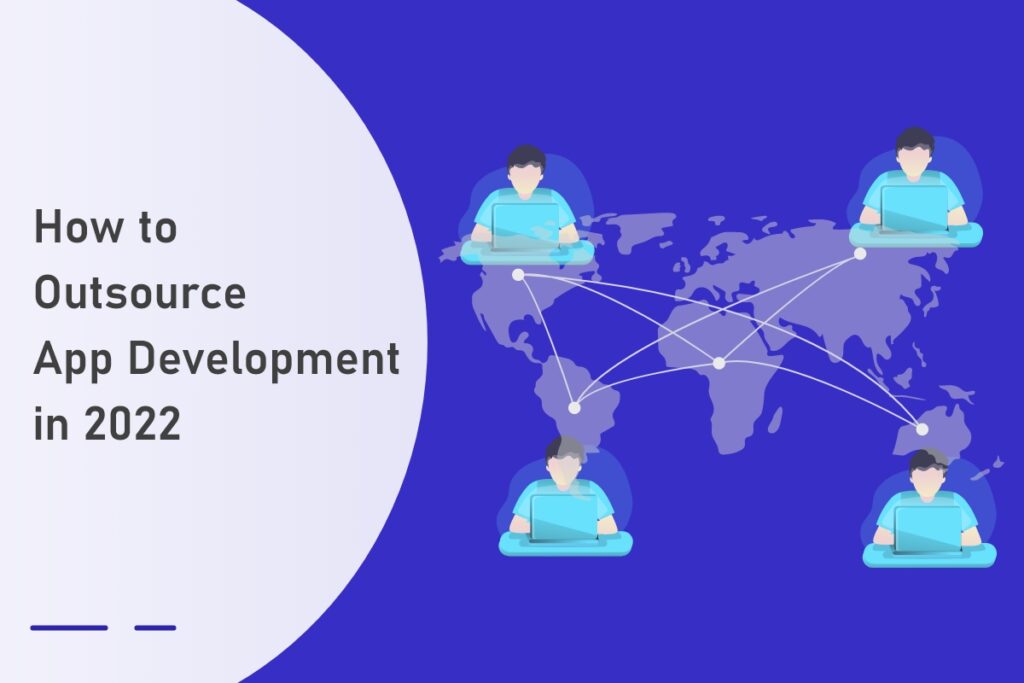
- Conduct Thorough Developer Interviews
Create a shortlist based on your research, then interview each developer or agency. Ask about their relevant experience, development methodologies, past projects, client feedback, and pricing models. Discuss practicalities like time zone differences, project management tools, and communication platforms essential for smooth collaboration.
- Finalizing Your Developer Selection
After gathering all information, compare candidates carefully to make an informed decision. Engage your chosen developer and collaborate closely to finalize project timelines and deliverables. A professional mobile app development firm will guide you through the next steps for successful project execution.
Key Advantages of Outsourcing Mobile App Development
- Accelerated Development Without Lengthy Hiring Processes
Businesses that quickly hire dedicated mobile app developers often gain a competitive edge by rapidly adapting to market trends. Outsourcing lets you skip lengthy recruitment and onboarding, enabling swift project commencement.
- Expand Technology Stacks Without In-House Rehiring
Technology evolves rapidly. For example, Swift for iOS and Firebase for Android are currently popular frameworks. Outsourcing developers proficient in the latest tech stacks ensures your app benefits from contemporary tools and reduces long-term maintenance efforts.
- Boost Creativity and Efficiency
Top outsourced development teams follow efficient design cycles like IDEA (Identify, Design, Engineer, Analyze), driving innovation and speeding up the development workflow to deliver high-quality apps.
Common Outsourcing Pitfalls to Avoid
- Ignoring Time Zone Differences
Ensure there are 4–6 hours of overlapping work time with your outsourcing partner to maintain effective communication and progress. Prioritize critical tasks during this overlap for maximum productivity.
- Not Signing a Non-Disclosure Agreement (NDA)
Protect your intellectual property by having developers sign an NDA before starting work. While reputable firms usually safeguard your data, an NDA adds legal assurance, especially for novel ideas.
- Overlooking Testing Responsibilities
Confirm that testing is included in your outsourcing contract. Rigorous testing identifies bugs early, ensuring a smooth user experience and preventing costly fixes after launch.
Frequently Asked Questions (FAQs)
Yes, outsourcing often reduces costs related to recruitment, training, and employee benefits. It also provides flexible resource allocation, allowing you to pay only for the services you need.
Choose developers with strong portfolios, verified client reviews, and relevant experience. Conduct detailed interviews and establish clear project milestones and communication channels to monitor progress.
Experienced outsourcing teams can develop apps for multiple platforms including iOS, Android, Windows, Web, and hybrid applications, depending on your project requirements.
Schedule overlapping working hours, use project management tools like Jira or Trello, and maintain regular update meetings via video calls or chat platforms to stay aligned.
Absolutely. A clear contract outlining deliverables, timelines, and payment terms protects both parties. An NDA ensures confidentiality and secures your intellectual property.
Timelines vary by app complexity but generally range from 3 to 9 months. Developers should provide an estimated schedule during the project planning phase.
